Rubbish collection Fulham Road local tips for fast pickup
Posted on 08/06/2026
If you need rubbish gone quickly on or near Fulham Road, the difference between a smooth same-day collection and a frustrating delay usually comes down to preparation. A tidy pile, clear access, the right service type, and a sensible booking window can shave time off the whole process. In a busy part of South West London, that matters. Whether you are clearing a flat, dealing with post-refurb rubble, or just trying to reclaim the hallway before the weekend, these Rubbish collection Fulham Road local tips for fast pickup will help you get it sorted without the usual faff.
This guide breaks down what to expect, how to prepare, what slows collectors down, and the small local details that can make a surprisingly big difference. It also shows which type of collection suits which job, because let's face it, not every pile of waste is the same. A few boxes of household clutter are not builders' debris, and green waste is not office junk.
For broader background on the area, you may also find the local context in the Fulham area guide useful, especially if you are arranging clearance around a move or renovation.

Why Rubbish collection Fulham Road local tips for fast pickup Matters
On a road like Fulham Road, speed is not just a nice extra. It can affect everything from how your home feels to how quickly a project moves forward. A blocked bin area, a pile of old furniture, or bags of mixed rubbish left by the door can become a nuisance fast. In apartment buildings, it can also start annoying neighbours, which is never ideal. One missed collection can turn into a whole chain of delays.
There is also a practical side to it. If waste sits around for too long, it can attract smells, take up living space, and create access issues for everyone in the property. That is especially true in London homes where space is already tight. You might think, "It's only a few bags," and then suddenly the front room looks like a storage unit. Not the vibe.
Fast pickup matters most when you are under time pressure: moving out, finishing a tenancy, staging a property for sale, clearing after building work, or getting a garden back under control before the weather changes. If you are in the middle of a property journey, the timing can be even more important. For example, readers looking at selling homes in Fulham will recognise how quickly a clutter-free space can improve presentation and reduce stress.
There is another local angle too. Fulham Road is busy, with traffic, deliveries, school runs, and all the usual London interruptions. A collection that is well organised can be completed faster than one that requires repeated back-and-forth or awkward parking. In simple terms: the easier you make the job, the faster it tends to go.
Expert summary: Fast rubbish pickup is rarely about luck. It usually comes from clear information, easy access, sensible sorting, and booking the right service for the waste you actually have.
How Rubbish collection Fulham Road local tips for fast pickup Works
The basic process is straightforward, though the details matter. You tell the provider what needs collecting, they assess the volume and type of waste, and a suitable time slot is arranged. On the day, the team arrives, loads the rubbish, and removes it for disposal or recycling in line with the waste type. Simple on paper, a little more nuanced in real life.
For a fast turnaround, the quality of the initial description matters a lot. "A few items" is vague. "Two wardrobes, a mattress, six black sacks, and some broken shelving from the spare room" is useful. That kind of clarity helps the team estimate the right vehicle, the likely labour needed, and whether the pickup can happen quickly.
Collections near Fulham Road can also be affected by practical access issues. Shared entrances, narrow hallways, basement flats, controlled parking, and loading restrictions can all add time. If the team has to wait while someone clears a corridor or moves a vehicle, the schedule slips. A lot of people only notice this on the day, which is usually when the clock is already working against them.
Different types of rubbish are handled differently. General household junk, garden cuttings, office furniture, and builders' waste are typically collected under separate service expectations because they vary in weight, composition, and disposal route. If you have mixed waste, it helps to mention that early. If your waste is mainly from renovation work, a specialist option like builders' waste disposal is often the better fit than a general collection.
Some jobs are quick because the pile is neat and accessible. Others are slower because the waste is spread across rooms, the lift is tiny, or the items need dismantling. The more you can consolidate before the team arrives, the better. That is the quiet truth behind fast pickup.
Key Benefits and Practical Advantages
The main benefit is obvious: you get space back quickly. But there are several other advantages people often overlook.
- Less disruption: A quick collection minimises how long rubbish sits in your hallway, garden, or driveway.
- Better organisation: When the waste is removed promptly, the rest of the property becomes easier to clean, sort, or decorate.
- Lower stress: There is a real mental lift in seeing clutter disappear. It sounds small, but it is not.
- Improved safety: Clear walkways reduce trip hazards, especially in family homes and shared buildings.
- Better presentation: Useful for viewings, rentals, event prep, or opening up a workspace again.
- More efficient recycling: A well-planned collection makes it easier to separate items sensibly.
There is also a commercial benefit. If you are clearing an office, shop, or short-let property, time really is money. A delayed rubbish removal can interrupt your next booking, your refurbishment schedule, or a handover deadline. That is one reason businesses often prefer a service that is built for speed and predictable timing, such as office clearance in Fulham.
And in residential settings, faster pickup can stop a small problem turning into a bigger one. A broken wardrobe left in the dining room tends to become a "we'll deal with it later" item. Then later becomes next week. Then it lives there like a sad piece of indoor architecture. Best not.
Who This Is For and When It Makes Sense
This kind of fast local rubbish pickup makes sense for a wide range of people, and not just homeowners in a rush. In practice, it is often used by:
- tenants leaving a property with leftover household items
- landlords preparing a flat for new occupants
- homeowners clearing after a declutter or refurbishment
- builders and tradespeople dealing with post-job debris
- garden owners removing cuttings, soil, or old outdoor furniture
- small businesses needing a tidy, efficient clearance
If you are moving, timing becomes especially important. A clean property can make packing easier and reduce the final scramble. That is why some readers pair rubbish collection with local property planning content such as resident views on Fulham living or Fulham property investment guidance when they are thinking about future value as well as immediate convenience.
It also makes sense when you are short on transport. Not everyone has a van, or wants the hassle of hiring one, loading it, and queueing at a waste site. To be fair, that route suits some people. But if you want speed, a direct collection is usually simpler.
One more point: if the rubbish includes bulky items, sharp fragments, or heavy loads, getting help from a team that is used to lifting and loading can be safer than trying to manage it yourself. That is where experience counts more than enthusiasm.
Step-by-Step Guidance
If you want a fast pickup, do these steps in order. They seem basic, but they save time.
- Sort the waste into rough categories. Group general rubbish, furniture, garden waste, and construction debris separately if you can.
- Make a clear list. Count bags, note bulky items, and mention anything heavy, awkward, or breakable.
- Check access. Think about parking, gates, lifts, narrow stairs, and whether someone needs to meet the team at the entrance.
- Move items close to the exit. If safe, place waste where it can be loaded quickly without walking through every room.
- Remove anything you want to keep. This sounds obvious, yet it is one of the most common causes of delays. A rushed clear-out is where mistakes hide.
- Share timing constraints early. If you have a hard deadline, say so. Morning slots and same-day pickups are often easier to manage when the team knows they matter.
- Confirm what will and will not be taken. Hazardous materials and certain specialist items may need different handling.
If the job is a garden tidy-up, for example after hedge cutting or a weekend landscaping push, you might want a dedicated garden waste removal service rather than a mixed clearance. That tends to make the process more efficient and avoids confusion on arrival.
Small local tip: if you live on or near a busier stretch of Fulham Road, try to have your items ready before the agreed slot. A team arriving to find everything still spread around the property has to wait while you finish sorting, and nobody wants that awkward little shuffle at the door.
Expert Tips for Better Results
Here are the habits that usually lead to quicker, cleaner collections. They are simple, but they make a difference.
- Photograph the waste before booking. Not for drama. Just to help explain what needs collecting.
- Be honest about volume. Underestimating waste can lead to an undersized vehicle or a second trip.
- Keep mixed waste separated where possible. Sorting helps the team load faster and may support better recycling outcomes.
- Break down flat-pack furniture. A dismantled unit is usually quicker to remove than a fully assembled one.
- Clear a loading path. Hallways, front steps, and doorways should be unobstructed.
- Tell neighbours if access may be affected. Especially in shared buildings. It is a small courtesy that avoids friction.
One thing professionals notice all the time: the fastest pickups are often the ones where the customer has thought ahead by even ten minutes. Nothing fancy. Just a bit of prep, a bit of honesty, and a clear landing spot for the items. That's usually enough.
If you are arranging waste removal around a larger house move or a full property reset, exploring house clearance in Fulham can be useful, because it gives you a clearer idea of how a broader clearance is handled. Sometimes a job that starts as "just a few things" becomes a much bigger clear-out once the cupboards come open.
Also, if you are planning payment or comparing service options, it is worth looking at transparent pricing information in advance. No one enjoys surprise add-ons. Nobody. Not even at 8:15 on a rainy Thursday.
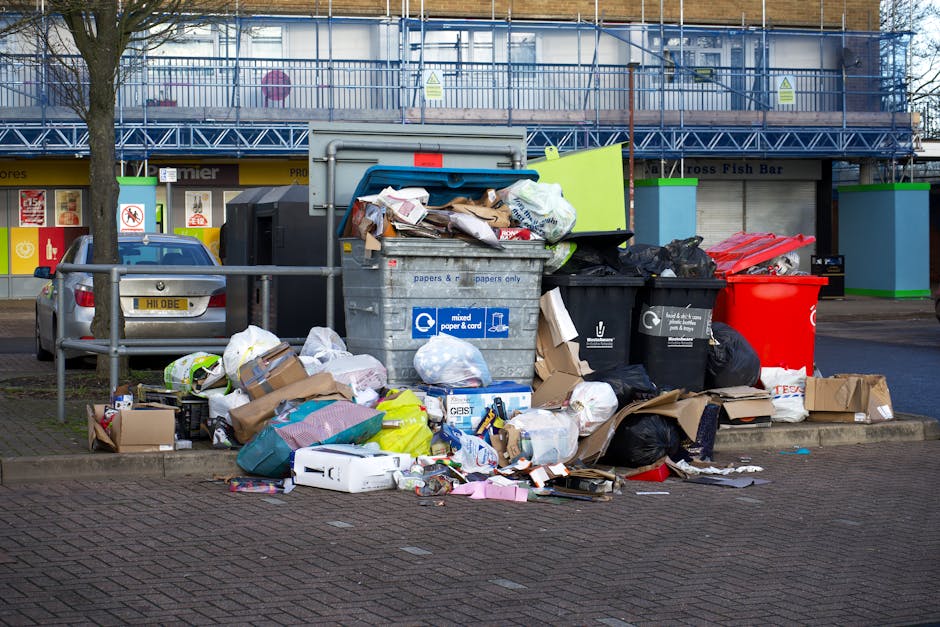
Common Mistakes to Avoid
Most collection delays are not dramatic. They are small, ordinary mistakes that stack up.
- Leaving sorting until the last minute. Mixed piles take longer to assess and load.
- Forgetting access details. A locked gate, blocked driveway, or unavailable parking spot can slow everything down.
- Booking the wrong type of service. Builders' debris, green waste, and office contents each need the right approach.
- Assuming all items are acceptable. Some materials may need special handling.
- Not checking the lift or stair width. Bulky furniture can be tricky in older buildings.
- Relying on vague descriptions. "A bit of rubbish" is not enough to plan a fast collection.
Another subtle mistake is treating all waste as if it can be thrown together. In reality, separating what you can often saves time later. It also makes the whole job feel less chaotic, which is half the battle when the flat already looks like a mid-move battlefield.
People sometimes forget safety too. Broken glass in a bag, sharp wood splinters, or heavy metal offcuts should be handled carefully. If you are not sure how to prepare a load safely, ask before collection day rather than trying to wing it.
Tools, Resources and Recommendations
You do not need much to prepare for a fast rubbish collection, but a few basic tools help a lot:
- strong bin bags or refuse sacks for loose household waste
- gloves for handling dusty or rough items
- a tape measure for bulky furniture or awkward appliances
- a marker pen for labelling items if several people are sorting together
- a screwdriver or Allen key for dismantling furniture
- boxes or tubs for small loose items that would otherwise spill everywhere
For people who like to compare service types before booking, the site's services overview is a practical starting point. It helps you match the waste type to the right removal option without overcomplicating things.
If sustainability is part of your decision, you may also want to read about recycling and sustainability. Fast does not have to mean careless. In fact, a well-organised collection often supports better sorting and less unnecessary disposal.
For payment and policy questions, a quick look at the payment and security information, along with the terms and conditions and privacy policy, can make the whole booking feel more straightforward. That sort of admin isn't glamorous, but it does help.
Law, Compliance, Standards, or Best Practice
Rubbish collection is not just about speed. It also needs to be handled responsibly. In the UK, waste should be collected, transported, and disposed of in line with accepted waste-handling practice, and customers should be careful not to hand waste to anyone who cannot handle it properly. That part matters more than many people realise.
Best practice generally means:
- sorting waste where practical
- keeping hazardous or specialist items separate
- using safe lifting and loading methods
- providing accurate information about the waste
- making sure access is safe for workers and residents
If you are booking a clearance, it is sensible to check that the provider has appropriate safety processes and insurance arrangements. For a wider explanation of how a responsible operator approaches risk and handling, the insurance and safety page is worth a look.
There is also a wider ethical angle. Responsible waste handling should support recycling where possible and avoid sloppy disposal. That does not mean every item can be reused or recycled, because some waste simply cannot. But it does mean the process should be thoughtful rather than rushed-and-hope-for-the-best. That's the standard to aim for.
If accessibility matters in your home or building, especially for residents with mobility concerns or tight stair access, it is sensible to review the practical arrangements in advance. The accessibility statement offers useful reassurance about how access and usability are approached on the site side.
Options, Methods, or Comparison Table
There are a few ways to deal with rubbish near Fulham Road. The best one depends on speed, volume, and how much lifting you want to do yourself.
| Method | Best for | Speed | Effort | Notes |
|---|---|---|---|---|
| Man-and-van style collection | Small to medium mixed loads | Fast | Low to moderate | Good when access is easy and the rubbish is ready to load |
| Full house clearance | Larger moves or inherited properties | Moderate | Low | Better when many rooms need clearing, not just one pile |
| Office clearance | Desks, chairs, filing, business waste | Fast to moderate | Low | Useful for business premises and organised handovers |
| Garden waste removal | Cuttings, branches, soil, outdoor clutter | Fast | Low | Best when green waste is separated from general rubbish |
| Builders' waste disposal | Renovation debris, rubble, timber, packaging | Fast to moderate | Low | Needs clear information about weight and material mix |
In practice, people often choose the fastest option that still matches the job properly. If the job is small, general rubbish collection is usually enough. If it's a renovation or a full tenancy turnover, a more specialised service tends to be cleaner and smoother.
That said, the best method is the one that gets the waste removed without causing three more tasks for you later. Simple principle, but it saves headaches.
Case Study or Real-World Example
A typical Fulham Road scenario goes like this. A couple are moving out of a first-floor flat and discover, two days before handover, that they still have a disassembled bed frame, three chairs, eight bin bags, an old TV unit, and a stack of cardboard from furniture deliveries. It is the kind of job that seems manageable until you actually stand in the hall and look at it.
They could try to load it themselves, hire a vehicle, and lose half a day to parking and heavy lifting. Instead, they gather the items near the front room, confirm the access route, and share a clear list of what needs removing. Because the waste is sorted and ready to go, the collection is completed quickly and the property is left clear for cleaning.
What made the difference? Not magic. Just preparation. The team did not have to wait for sorting, guess the volume, or navigate cluttered rooms. The customers also avoided the common "we can move that later" trap, which, to be honest, is where many clear-outs fall apart.
That same approach works just as well for a post-renovation cleanup. A builder's mixed pile of packaging, offcuts, and rubble can be removed far more efficiently if it is already grouped and easy to access. If the waste is linked to a project, a dedicated builders' waste disposal option usually fits better than a general collection.
Practical Checklist
Use this quick checklist before booking or on the morning of the pickup.
- Have I listed the items clearly?
- Do I know roughly how many bags, boxes, or bulky items there are?
- Is the waste already grouped together?
- Have I cleared the route from the rubbish to the exit?
- Is there suitable parking or loading access?
- Have I separated garden, household, and builders' waste where possible?
- Have I removed anything I want to keep?
- Do I know whether any items need special handling?
- Have I checked the booking time and any access instructions?
- Am I ready for the team when they arrive?
If you can tick most of those boxes, you are already ahead of the average collection. Really. A little prep goes a long way.
Conclusion
Fast rubbish collection on Fulham Road is usually less about urgency and more about organisation. Clear access, accurate descriptions, the right service type, and a tidy loading area all help the collection happen smoothly. Once you know the basics, it becomes much easier to get waste out of the way without last-minute stress.
And that is the real win here: more space, less clutter, less mental noise. Whether you are clearing after a move, sorting a garden, finishing a refurbishment, or just trying to get your home back under control, the right preparation turns a messy job into a manageable one.
Get a free quote today and see how much you can save.
If you are weighing up broader property plans, the local pages on Fulham event spaces and investing in Fulham can also give useful context around how presentation and timing shape the bigger picture.
Sometimes the best kind of tidy-up is the one you barely have to think about. That's a good feeling, honestly.

 Tipper Van - Rubbish Removal and Waste Disposal Prices in Fulham, SW6
 Luton Van - Rubbish Removal and Waste Disposal Prices in Fulham, SW6